Squash - the ultimate racket sport workout
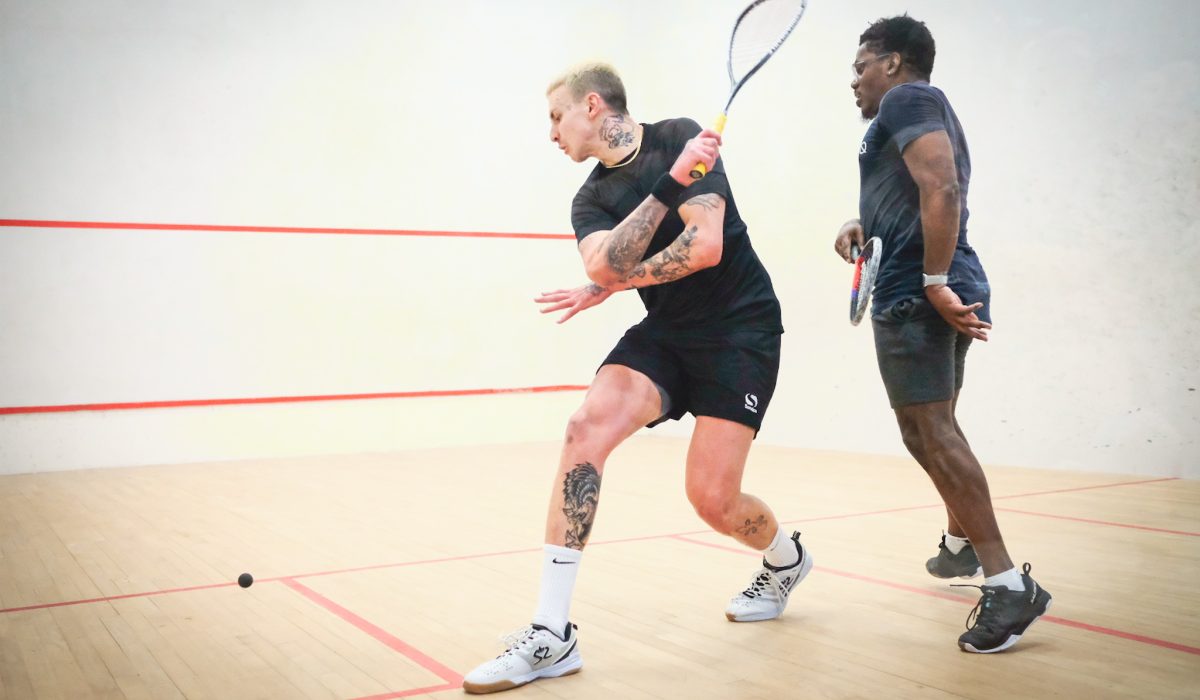
When people think of racket sports, activities such as padel, tennis and badminton often come to mind first. But if your goal is to get the most intense, full-body workout possible, squash stands in a league of its own.
Squash is played in a confined space where the ball is almost always in play. Rallies are continuous and relentless. This creates a high-intensity, stop-start workout that mirrors interval training. Your heart rate climbs rapidly and stays elevated, making squash one of the most efficient sports for cardiovascular fitness.
Tennis, by comparison, offers a more rhythm-based workout. The larger court means longer sprints and more open movement, but also more recovery time between points. While endurance is key—especially in long matches—the intensity tends to fluctuate more. You’ll still get an excellent workout, particularly for your legs and upper body, but it’s generally less consistently demanding than squash.
Badminton sits somewhere in between. It’s explosive and fast-paced, with frequent jumps, lunges, and quick directional changes. However, rallies can be shorter, and there’s often a brief reset between points. While it’s fantastic for agility and reaction speed, it typically doesn’t sustain the same cardiovascular load as squash over time.
Padel introduces a different, but notably less demanding, experience. Played on an enclosed court with walls, it often results in longer rallies—but not necessarily more intense ones. Because it’s typically played in doubles, the workload is shared, which significantly reduces the physical strain on each player. Movement tends to be more limited and less explosive, with fewer sprints and less constant pressure compared to squash or even singles tennis. While this makes padel more accessible for beginners or casual players, it also means the workout can feel comparatively light and less effective for those seeking serious fitness gains.
When it comes to muscle engagement, squash again stands out. The constant lunging, twisting, and rapid directional changes activate the legs, core, and stabilsing muscles in a highly functional way. Tennis also builds strength, particularly in the legs and shoulders, while badminton develops explosive power. Padel, by contrast, involves less frequent high-intensity movement.
Calorie burn is where squash truly excels. Thanks to its intensity and minimal downtime, it consistently ranks among the highest calorie-burning sports. Tennis and badminton also provide strong calorie expenditure, while padel generally falls short due to its slower pace and shared court coverage.
In the end, each racket sport offers unique benefits. Tennis blends endurance and strategy, badminton sharpens agility, while padel has its place as a more social and accessible option, but if you’re looking for a physically demanding, sweat-inducing workout, squash remains hard to beat.
Kelly Harris
Has played squash for over 45 years and is the current chairman of Daventry Squash Club